
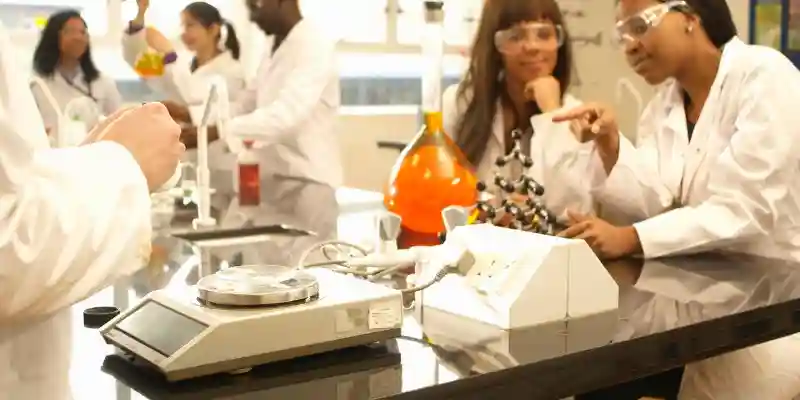


Study Forensic Science in the USA

Want to be matched with Forensic Science programs?
Let us know what you're looking for so we can find the best school for you.

To earn your degree or certificate as an international student, you have your choice of all the top schools, colleges and universities in the USA that specialize in the best Forensic Science programs
Study in the USA connects international students with U.S. schools and programs. Start your U.S. education adventure now.
Useful Articles
Check Out These Schools

Peninsula College
$5,000—$10,000 Quarter
2yr/Community College - 2+2 Programs
Certificate/Short Term
Secondary/Boarding

Golden West College
Typical cost per Year: $5,000—$10,000
Bachelor Degree
Certificate/Short Term
Summer

Truckee Meadows Community College
Typical cost per Semester: $5,000—$10,000
Bachelor Degree
Certificate/Short Term
English Programs

George Mason University
Typical cost per Semester: $35,000—$40,000
Bachelor Degree
Masters
Undergraduate
Other Courses


