


Study Nutrition and Exercise Science in the USA

A LITTLE ABOUT YOU
Not sure where to start?
Answer eight questions about what you want to study, where, and how. We will show you U.S. schools worth exploring.
Find schools to explore
About two minutes · No account needed
Want to be matched with Nutrition and Exercise Science programs?
Let us know what you're looking for so we can find the best school for you.

Nutrition and exercise science explores how food and movement affect the body. Study nutrient metabolism, exercise physiology, and human movement. Some programs combine both fields; others emphasize nutrition or exercise.
International students can choose associate, bachelor’s, or graduate routes. Compare curricula, transfer requirements, lab experience, and campus versus online delivery before applying.
Nutrition and Exercise Science at a Glance
Credentials: Transfer-focused associate degrees, applied credentials, bachelor’s degrees, and graduate degrees
Duration: Many associate degrees are planned around two academic years; bachelor’s programs commonly around four, subject to course load and transfer credit
Study areas: Human nutrition, anatomy, physiology, biomechanics, exercise testing, health behavior
Related subjects: Dietetics, kinesiology, public health, sports performance, food science
Career directions: Fitness and wellness, nutrition education, research, health promotion, coaching and related fields
Key Decisions When Choosing a Nutrition and Exercise Science Program
Do I want to focus on nutrition, movement, or both?
Nutrition emphasizes food science and metabolism; exercise science emphasizes movement and training. Combined programs vary in balance. Compare required courses before choosing.
Do I want to become a registered dietitian?
A general nutrition degree does not automatically qualify you as a registered dietitian. The profession requires accredited preparation and other credential steps. Ask about the precise pathway.
Should I start at a community college?
Community colleges teach introductory sciences and major courses. Transfer is not automatic, particularly for labs. Obtain a course-by-course plan from the receiving university.
Is practical experience part of the degree?
Hands-on training may include laboratory testing, movement analysis, and placements. Compare available experiences, equipment, and international-student placement rules.
Can I use an online program to study in the USA?
Some combined degrees are fully online, which differs from studying on a U.S. campus. Confirm the format and immigration implications before enrolling.
What Is Nutrition and Exercise Science?
Nutrition examines foods, nutrient metabolism, and health. Exercise science studies responses and adaptations to physical activity. Together, they examine energy balance, performance, and wellness using biology, chemistry, and research methods.
Dietetics has regulated professional requirements; kinesiology broadly studies movement, and exercise physiology focuses on activity responses. Sports nutrition is one application, not a qualification every program grants.
What Will You Study?
Typical courses cover anatomy, physiology, chemistry, nutrient metabolism, biomechanics, exercise testing, statistics, and health behavior. Projects may involve lab measurements, food analysis, or supervised practice.
Is Nutrition and Exercise Science Right for You?
This field may suit students interested in biology, food, movement, and evidence-based wellness. Chemistry, quantitative skills, observation, and communication are valuable; athletic experience is not essential.
Degree and Pathway Options
Certificates: Some programs build focused practical skills in fitness or health education. Professional industry certifications are separate from academic certificates.
Associate degrees: Transfer degrees develop sciences and introductory major courses; applied degrees may focus more directly on career skills. Verify which credits your future university will accept.
Bachelor’s degrees: Nutrition, dietetics, kinesiology, exercise physiology, exercise science, or combined degrees provide deeper major study. They do not all qualify graduates for the same credentials.
Master’s and doctoral degrees: Advanced routes support specialized practice, research, or teaching, with admission requirements depending on prior coursework and the program.
Admission Considerations for International Students
Requirements vary: transcripts, English proficiency, science prerequisites, and financial documentation are common. Graduate programs may request recommendations or experience. Check lab-course equivalencies.
Cost of Studying Nutrition and Exercise Science
Compare tuition, fees, housing, food, insurance, transportation, books, and lab costs. Placements may add expenses. Transfer and online formats do not guarantee savings.
Accreditation and Professional Requirements
Check dietetics accreditation through ACEND and credential rules through the Commission on Dietetic Registration. Fitness certifications are separate. Institutional accreditation does not establish professional eligibility.
Career Possibilities
Exercise specialist — Support exercise assessment and programming within the role’s qualification limits.
Fitness trainer — Guide physical activity programs, often with an employer-recognized certification.
Nutrition educator — Explain general food and nutrition concepts within applicable practice limits.
Registered dietitian — Provide regulated nutrition services after completing the required accredited education, practice, examination, and applicable licensing.
Strength and conditioning coach — Plan athlete training, potentially requiring professional certification.
Research assistant — Help collect and analyze data in exercise or nutrition studies.
Explore Nutrition and Exercise Science Programs on Study in the USA
Explore active Study in the USA schools offering Nutrition and Exercise Science, a closely related program, or a verified pathway into the field.
Community Colleges and Transfer Pathways
Santa Monica College
Nutrition and Dietetics — Associate in Science for Transfer; Santa Monica, California.
This transfer degree covers nutrient metabolism, chemistry, and human biology. It may suit students planning advanced nutrition study after confirming transferable courses.
Long Beach City College
Kinesiology — Associate in Arts for Transfer; Long Beach, California.
This degree introduces human movement and wellness for students planning further kinesiology or exercise-science study. Confirm receiving-university course requirements.
Sinclair College
Health Sciences, with a documented Exercise Science transfer route — Associate of Applied Science in Health Sciences; Dayton, Ohio.
Sinclair documents a Wright State Exercise Science BS pathway from its Health Sciences AAS. Confirm agreement terms, courses, and international-student eligibility.
Colleges and Universities
University of Southern Mississippi
Fitness and Nutrition — Bachelor of Science (fully online); Hattiesburg, Mississippi; online delivery.
This fully online degree combines both subjects. Confirm whether its delivery matches your study-location and immigration goals.
California State University, Chico
Exercise Physiology — Bachelor of Science; Chico, California.
This on-campus degree studies physiological exercise responses. Chico also lists a separate Nutrition for Human Performance minor; confirm how students may combine them.
North Dakota State University
Exercise Science — Undergraduate degree; Fargo, North Dakota.
The curriculum includes anatomy, biomechanics, and exercise physiology for students interested in fitness assessment rather than dietetics.
Program availability, delivery format, costs, and admission requirements may change. Confirm current information with each institution.
How to Compare Programs
• Which required courses cover both nutrition and exercise physiology?
• Does the degree prepare students for transfer, work, graduate study, or a specific professional credential?
• Which chemistry, anatomy, and statistics prerequisites are required?
• What laboratory testing, practical projects, or internships are included?
• Can the program document any dietetics-related accreditation and credential route?
• How will the receiving institution evaluate each transfer course?
• Is the program on campus, hybrid, or fully online?
• What is the complete estimated cost, including laboratory fees and living expenses?
• What international-student advising and career services are actually available?
Frequently Asked Questions
Can international students participate in internships?
Possibly. Eligibility depends on immigration status, the academic program, and authorization by the school. Ask the international student office before accepting an internship or practical placement.
Will I need chemistry courses?
Many nutrition and exercise science pathways include chemistry and biology, but requirements differ. Check the precise prerequisite list before applying.
Can a fitness certificate replace a bachelor’s degree?
Not generally. An industry certificate may establish a specific skill or eligibility for a role; it does not provide the same academic preparation as a degree.
Are all exercise-science degrees preparation for physical therapy?
No. Physical therapy programs have their own entry requirements and professional degree pathways. Ask each future program which undergraduate courses it expects.
Find a Program That Fits Your Goals
Compare subject emphasis, degree level, location, delivery, and budget. Request current study plans and entry requirements from possible schools, then explore additional options:
Related Study in the USA Resources
Your Guide to the U.S. Education System: Understand associate, bachelor’s, and graduate study before choosing a degree.
Study University Transfer in the USA: Learn how course planning matters when moving from a two-year college to a university.
Your Ultimate Guide to Studying in the USA: Review general application, funding, and visa-planning questions.
GET MATCHED! LET STUDY IN THE USA FIND THE BEST SCHOOLS FOR YOU.
Step 1 of 3
Use of this form constitutes your agreement to our Terms of Use and Conditions.
3 More Items!
Step 2 of 3
Finish, send and done!
Step 3 of 3
Thank You!
Your information has been submitted successfully.
For more information, please review our Terms and Conditions.
Useful Articles
Check Out These Schools

Truckee Meadows Community College
$5,000—$10,000 Semester
2yr/Community College - 2+2 Programs
English Programs
Certificate/Short Term

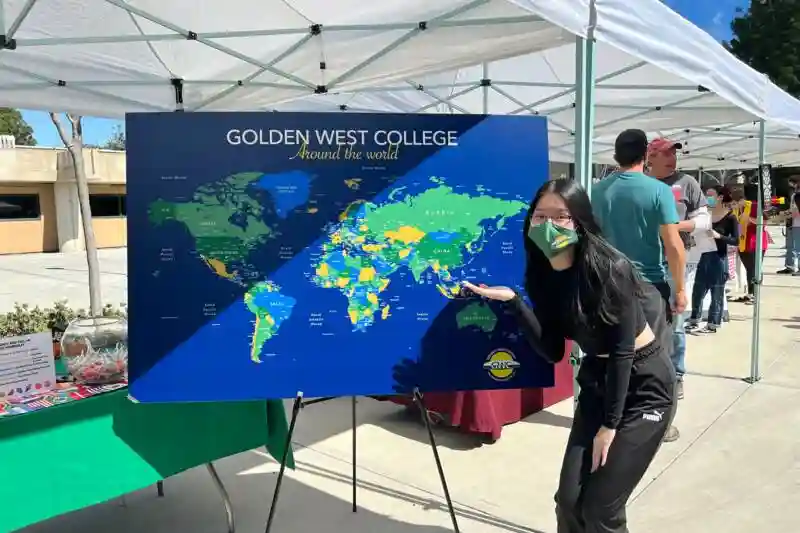
Golden West College
Typical cost per Year: $5,000—$10,000
Bachelor Degree
Certificate/Short Term
Summer
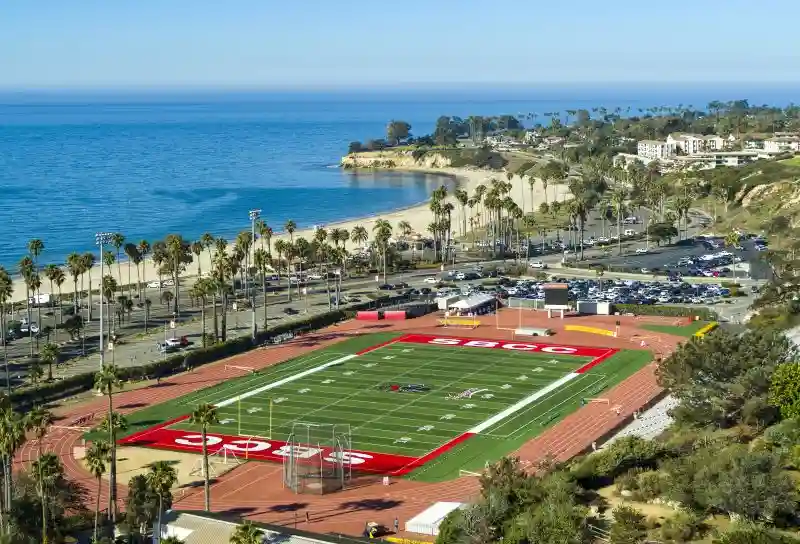
Santa Barbara City College
Typical cost per Year: $5,000—$10,000
Bachelor Degree
Masters
Certificate/Short Term
Other Courses


