
Study Russian in the USA

Want to be matched with Russian programs?
Let us know what you're looking for so we can find the best school for you.

Studying Russian in the United States can help you build communication skills while exploring literature, history and cultures connected with the Russian language. You may focus on speaking and writing, interpret texts, or combine Russian with another academic field.
International students can begin with introductory college courses, pursue a Russian-focused bachelor’s degree, or add a minor to another major. Before choosing, compare how many levels of Russian are taught, what cultural study is included and whether transfer credits meet a university’s requirements.
Russian at a Glance
Credentials: College language courses; undergraduate majors and minors; selected graduate study.
Duration: Introductory courses may last a term or year; bachelor’s degrees usually follow a four-year plan, with variation.
Study areas: Cyrillic, grammar, conversation, literature, film, history and cultural analysis.
Related subjects: Slavic studies, linguistics, translation, international studies and comparative literature.
Career directions: Education, translation, research, publishing, international organizations and cultural programs.
Key Decisions When Choosing a Russian Program
Do I want to learn the language or study the wider region?
Choose language-intensive study if you need sustained speaking, reading and writing practice. Russian Studies programs can also examine literature, culture and history, sometimes in English. Compare required language levels and the percentage of courses taught in Russian.
Should I major in Russian or add a minor?
A major devotes more of your degree to Russian than a minor. A minor can complement another area such as economics, history or linguistics, but may offer less advanced language practice. Request the full course map for both credentials.
Can I begin at a community college?
You can begin with introductory Russian, but a receiving university decides which credits apply to its major. Courses may meet general education requirements without replacing its advanced sequence. Check transfer equivalencies with the receiving department before registering.
How do I know which Russian class is appropriate?
Prior experience may make a placement assessment useful. Some schools separate beginning speakers from heritage speakers or students who have studied Russian previously. Ask whether placement affects credits earned and access to upper-level courses.
How can I gain real communication practice?
Check for conversation classes, tutoring, cultural activities and faculty-led projects. A school may teach literature in translation without offering extensive spoken-language practice. Ask which activities and upper-level Russian courses are scheduled in the coming year.
What Is Russian?
Russian as an academic field includes learning the language and studying texts, societies and cultural traditions in which it is used. Language courses teach students to read Cyrillic, understand spoken Russian and express ideas with increasing precision. More advanced work may explore literature, linguistics, history, film or social change through Russian-language sources. Programs called Russian Studies or Slavic Studies can have different emphases: some require extensive language study, while others provide a broader regional or cultural perspective. Russian is also spoken by communities outside Russia, so an informed curriculum should distinguish language and cultural study from assumptions about any single country. Compare required courses before deciding what a program title means.
What Will You Study?
Common subjects include the Cyrillic alphabet and pronunciation; grammar and sentence structure; listening and conversation; reading and composition; translation and interpretation techniques; Russian literature and film; and social and cultural history. Assignments may include oral presentations, close reading, recorded conversations and research essays.
Is Russian Right for You?
Degree and Pathway Options
College coursework: Begin with elementary and intermediate classes. Individual courses are not automatically a degree or a transfer agreement.
Associate or transfer route: General education and transferable language credits may support a later bachelor’s degree when the receiving institution accepts them.
Bachelor’s major: Study language alongside literature, culture, research and additional degree requirements.
Undergraduate minor: Combine a smaller Russian Studies sequence with another major.
Admission Considerations for International Students
Requirements depend on the institution and credential. Review transcripts, English proficiency rules, language placement, financial documentation and any application statements or recommendations. Prior Russian study can affect placement but may not satisfy degree requirements automatically.
Cost of Studying Russian
Compare total tuition and fees, housing, meals, health insurance, books, language-learning materials, transportation and personal expenses. If courses require summer study or an off-campus experience, request its separate budget before committing.
Academic and Professional Considerations
Career Possibilities
Language educator: Teach after meeting local educational and licensing rules.
Translator: Convert written material, often with additional specialized proficiency.
Interpreter: Facilitate spoken communication with advanced training and practice.
Cultural-program coordinator: Help organize events and cross-cultural initiatives.
Research assistant: Support projects using language and source-analysis skills.
Publishing or editorial assistant: Work with texts, research and editorial workflows.
International business support: Combine language skills with a business specialty.
Graduate researcher: Pursue advanced work in languages, literature or regional studies.
Explore Russian Programs on Study in the USA
Explore active Study in the USA schools offering Russian, a closely related program, or a verified pathway into the field.
Community Colleges and Language Coursework
Santa Monica College
Elementary Russian I–II and Conversational Russian — Transferable college courses; Santa Monica, California.
Russian language courses include conversation and practical communication. This is a course pathway rather than a dedicated Russian degree, so ask a receiving university how credits fit its major.
De Anza College (within Foothill College / De Anza College)
First-year Russian language sequence — Credit-bearing courses; Cupertino, California.
Three sequential introductory courses develop speaking, reading, listening and writing. This may suit students starting Russian alongside a transfer-focused general education plan; confirm the courses count toward your intended major.
Colleges and Universities
Lawrence University
Russian Studies major / Russian minor — Undergraduate major and minor; Appleton, Wisconsin.
Language study is combined with literature, history and cultural courses. Students seeking sustained Russian study can compare the major with a minor taken alongside another field.
University of South Dakota
Russian Studies — Undergraduate minor (credential confirmation needed); Vermillion, South Dakota.
The modern languages department lists Russian Studies and Russian placement testing. This may suit students adding Russian to another academic program; confirm current award type and required courses before applying.
University of Illinois Chicago
Russian Studies minor — Undergraduate minor; Chicago, Illinois.
The catalog identifies Russian Studies coursework beyond introductory language classes, including cultural study. The StudyUSA profile scope needs relationship-review confirmation before this parent-university program is promoted.
Northeastern Illinois University
Russian (RUSS) course listing — language courses; Chicago, Illinois.
The university’s current academic catalog contains a Russian course section, which may be useful to students seeking Russian electives. Confirm active class offerings and the exact degree to which they apply.
Program availability, delivery format, costs, and admission requirements may change. Confirm current information with each institution.
Additional U.S. Program Examples
This is not a ranking or a complete list. Program names, degree levels, research strengths, costs, and admission requirements vary by institution.
How to Compare Programs
Which language levels actually run each year?
How much coursework uses Russian rather than English?
Is the credential a major, minor, course or transfer degree?
Which courses satisfy the receiving university’s Russian requirements?
How is prior language experience assessed?
Are conversation groups or guided projects available?
What is the total attendance and living budget?
What international student advising and language support is available?
Frequently Asked Questions
Do I need to know Cyrillic before enrolling?
Many introductory Russian classes teach the alphabet. Check whether the course is designed for beginners.
Can I study Russian alongside another major?
Yes, where the university offers an appropriate minor or electives and your degree plan has room.
Can international students complete internships?
Eligibility depends on immigration status, academic program and school authorization. Speak to the international student office before beginning work.
Are courses about Russian history the same as language classes?
No. A history class can build cultural understanding without systematically teaching spoken or written Russian.
Find a Program That Fits Your Goals
Start with the language level you want to reach and decide whether Russian will be your main subject or complement another field. Compare current courses, transfer policies, budget and location. Ask each institution for its latest requirements before applying.
Related Study in the USA Resources
Understanding the American Education System
Learn how degree levels and U.S. college study are organized.
What Does It Mean to Transfer?
Review practical considerations before moving credits from one school to anoth
GET MATCHED! LET STUDY IN THE USA FIND THE BEST SCHOOLS FOR YOU.
Step 1 of 3
Use of this form constitutes your agreement to our Terms of Use and Conditions.
3 More Items!
Step 2 of 3
Finish, send and done!
Step 3 of 3
Thank You!
Your information has been submitted successfully.
For more information, please review our Terms and Conditions.
Useful Articles

Welcoming Russian Students to the University of North Georgia

University of Pennsylvania ELP Profile: Lidia M. from Russia

Tatiana from Russia: Studies English at ELS Language Centers, New York-Manhattan

Anastasia Borovich from Russia: Studied Mathematics and Economics at Foothill Community College and UCLA
Check Out These Schools


Southern Arkansas University
Typical cost per Semester: $5,000—$10,000
Bachelor Degree
Masters
Certificate/Short Term

Irvine Valley College
Typical cost per Semester: $5,000—$10,000
Bachelor Degree
Certificate/Short Term
2yr/Community College - 2+2 Programs
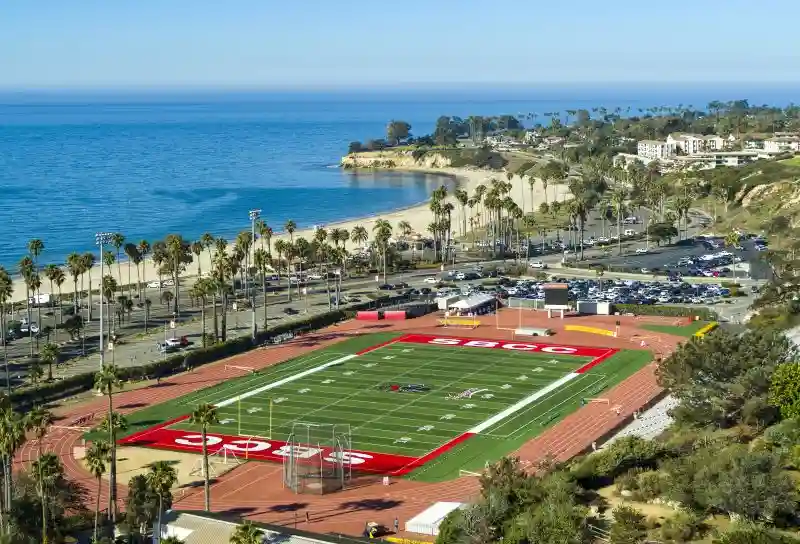
Santa Barbara City College
Typical cost per Year: $5,000—$10,000
Bachelor Degree
Masters
Certificate/Short Term
Other Courses


