


Study Heating/Refrigeration/Air conditioning in the USA

Want to be matched with Heating/Refrigeration/Air conditioning programs?
Let us know what you're looking for so we can find the best school for you.

Studying heating, refrigeration, and air conditioning can prepare you to install, maintain, troubleshoot, and repair systems that control temperature and air quality. You may learn refrigeration cycles, electrical controls, heating equipment, air distribution, safety, and building automation through classroom and laboratory work.
As an international student, you can compare certificates, one-year diplomas, and associate degrees. This guide explains how program length, hands-on training, refrigerant certification, and career focus affect what you should verify before enrolling.
Heating/Refrigeration/Air Conditioning (HVAC) at a Glance
Credentials: Certificates, one-year diplomas, Associate of Science, and Associate of Applied Science degrees.
Duration: Short certificates vary; many technical programs range from about one to two years.
Study areas: Refrigeration, heating, air conditioning, electricity, controls, airflow, troubleshooting, safety, building automation.
Related subjects: Facilities maintenance, building automation, energy systems, construction technology.
Career directions: Installation, service, commercial refrigeration, building controls, facilities maintenance.
Key Decisions When Choosing a Heating/Refrigeration/Air Conditioning (HVAC) Program
Should I choose a short certificate, diploma, or associate degree?
Choose by the depth and next step you need. Certificates focus on defined technical skills; diplomas can prepare you for installation work; associate degrees add broader technical and general education. Compare labs, total credits, and whether the credential is mainly for employment or continued study.
Do I want residential HVAC, commercial systems, or refrigeration?
Residential programs emphasize homes and light commercial equipment. Commercial programs may add larger systems, chillers, controls, and facilities operation. Refrigeration study may include food-service cooling equipment. Review advanced courses and lab equipment to see which systems receive the most attention.
How much hands-on training should the program include?
HVAC is highly practical. Look for laboratories where you diagnose, wire, install, charge, and troubleshoot real equipment, plus supervised work experience when offered. Ask which courses include lab hours and what equipment students use before comparing programs.
What certifications or licenses will I need?
Academic credentials and professional requirements are separate. U.S. EPA Section 608 certification is required for technicians who service equipment in ways that can release regulated refrigerants, while state or local licensing rules vary. Check which exams the curriculum prepares you for and which requirements apply where you plan to work.
What Is Heating/Refrigeration/Air Conditioning (HVAC)?
Heating, refrigeration, and air conditioning—often grouped as HVAC or HVACR—focuses on systems that heat, cool, ventilate, and refrigerate buildings or equipment. Students learn how compressors, condensers, evaporators, furnaces, heat pumps, motors, controls, ducts, and refrigerant circuits work together. Ventilation and indoor-air-quality principles may also appear in coursework. HVAC differs from mechanical engineering, a broader field that includes advanced design and analysis, and from facilities management, which may cover entire buildings. Program titles vary among HVAC, HVACR, air conditioning technology, and air conditioning and refrigeration. Read required courses to see whether the emphasis is installation, service, commercial systems, refrigeration, controls, or building automation.
What Will You Study?
Depending on the program, you may study refrigeration theory; heating systems; electrical circuits and motors; HVAC controls; air distribution and duct design; heat pumps; commercial refrigeration; system charging and recovery; and building automation. Laboratories can include wiring, pressure measurements, leak testing, diagnostics, installation, and troubleshooting on working equipment.
Is Heating/Refrigeration/Air Conditioning (HVAC) Right for You?
This field may fit you if you enjoy hands-on problem-solving, mechanical systems, electrical work, measurement, and troubleshooting. Safety, careful documentation, customer communication, and comfort working in varied indoor and outdoor environments also matter.
Degree and Pathway Options
Certificates: Short credentials can focus on residential service, refrigeration, controls, or other defined skills. Some also prepare students for industry exams.
Diplomas: One-year programs can concentrate on installation and service skills with less general education than an associate degree.
Associate degrees: AS or AAS programs usually combine broader technical coursework with general education and may include commercial systems, design, controls, or work experience.
Admission Considerations for International Students
Requirements vary. International applicants may need academic records, English-proficiency evidence, financial documentation, and other school materials. Technical programs may also have program conferences, mathematics preparation, safety requirements, tool lists, or sequenced prerequisites. Confirm the first term in which the HVAC sequence begins.
Cost of Studying Heating/Refrigeration/Air Conditioning (HVAC)
Compare tuition, fees, housing, meals, health insurance, books, transportation, and personal expenses. HVAC programs can also require tools, uniforms, safety equipment, testing fees, or course-specific supplies, so request a current program-cost estimate before enrolling.
Certification and Professional Requirements
EPA Section 608 rules require certification for technicians who maintain, service, repair, or dispose of equipment when the work could release regulated refrigerants. Technicians earn certification by passing an EPA-approved test. State and local licensing rules can add separate requirements. Industry credentials such as NATE or HVAC Excellence are different from academic certificates and should be evaluated separately.
Career Possibilities
HVAC installer: Install HVAC equipment, ductwork, piping, and controls.
HVAC service technician: Diagnose, maintain, and repair residential or commercial systems.
Refrigeration technician: Service refrigeration equipment and related controls.
Commercial HVAC technician: Work with larger packaged systems, rooftop units, or chillers.
Building-controls technician: Work with sensors, controllers, and building-automation systems.
Facilities maintenance technician: Maintain HVAC and other building systems.
Explore Heating/Refrigeration/Air Conditioning (HVAC) Programs on Study in the USA
Explore active Study in the USA schools offering Heating/Refrigeration/Air Conditioning (HVAC), a closely related program, or a verified pathway into the field.
Community Colleges and Technical Programs
Kirkwood Community College
HVAC Installer — Diploma; Cedar Rapids, Iowa.
This one-year program covers residential/light-commercial installation, electrical applications, refrigerant handling, and system design.
Elgin Community College
Heating, Ventilation, Air Conditioning, and Refrigeration — Associate of Applied Science; Elgin, Illinois.
HVAC/R labs use heat pumps, rooftop units, commercial refrigeration, and building-automation systems.
Truckee Meadows Community College
Air Conditioning Technology — Associate of Applied Science; Reno, Nevada.
The AAS covers commercial HVAC installation, maintenance, troubleshooting, refrigeration, controls, and repair.
College of the Desert
Air Conditioning & Refrigeration — Associate of Science; Palm Desert, California.
The degree covers refrigeration, electricity, system design, energy conservation, refrigerant handling, and building automation.
Sinclair College
Heating, Ventilating, Air Conditioning & Refrigeration Technology — Associate of Applied Science; Dayton, Ohio.
The program covers commercial/industrial HVAC-R, refrigeration, heating, controls, load calculations, duct design, and troubleshooting.
Butte Community College
HVACR — Certificate of Achievement; Oroville, California.
The certificate progresses through trade electricity, refrigeration, advanced service, system design, and supervised internship coursework.
Program availability, delivery format, costs, and admission requirements may change. Confirm current information with each institution.
How to Compare Programs
• Is the credential designed mainly for employment, continued study, or both?
• How much lab time is built into the refrigeration, electrical, controls, and service courses?
• Does the curriculum emphasize residential, commercial, industrial, or refrigeration systems?
• Which EPA Section 608 or other industry exams does the program prepare students to take?
• What tools, uniforms, safety equipment, and testing fees are required?
• Are internships, apprenticeships, or supervised work-experience courses available?
• What English, mathematics, or prerequisite requirements apply to you?
• What is the total cost through completion, including housing and program-specific equipment?
Frequently Asked Questions
Do I need EPA Section 608 certification before I begin school?
Not usually for classroom laboratory learning. EPA allows students to perform formal lab coursework before certification, but work that could release regulated refrigerants outside that setting can require certification.
Is HVAC the same as mechanical engineering?
No. HVAC programs prepare technicians for installation, service, controls, and system operation. Mechanical engineering is a broader engineering degree with more advanced mathematics and design analysis.
Can international students complete internships or work experience?
Eligibility depends on immigration status, the academic program, the placement, and school authorization. Consult the institution’s international student office before arranging practical experience.
Will one HVAC credential let me work anywhere in the United States?
Not automatically. EPA refrigerant rules are federal, but state or local licensing requirements can differ. Check the jurisdiction where you plan to work.
Find a Program That Fits Your Goals
Compare programs by the systems you want to work on, credential length, laboratory depth, budget, and location. Use the tools below to explore schools, then request the current course sequence, equipment requirements, and certification preparation for each HVAC program you are considering.
Related Study in the USA Resources
Study Heating/Refrigeration/Air Conditioning in the USA: Explore related Study in the USA schools and programs.
Your Guide to the U.S. Education System: Understand how certificates and associate degrees fit into U.S. education.
GET MATCHED! LET STUDY IN THE USA FIND THE BEST SCHOOLS FOR YOU.
Step 1 of 3
Use of this form constitutes your agreement to our Terms of Use and Conditions.
3 More Items!
Step 2 of 3
Finish, send and done!
Step 3 of 3
Thank You!
Your information has been submitted successfully.
For more information, please review our Terms and Conditions.
Useful Articles
Check Out These Schools
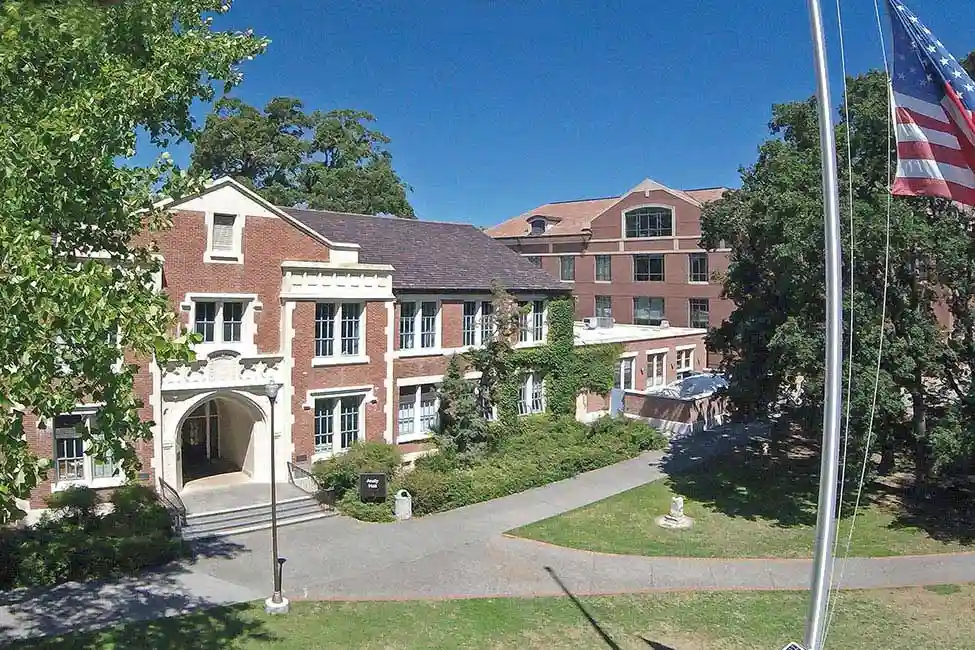
Santa Rosa Junior College
$10,000—$15,000 Year
Certificate/Short Term
Online
Pathway and Pre-College Programs


Mississippi University for Women
Typical cost per Year: $5,000—$10,000
Bachelor Degree
Masters
Undergraduate

Napa Valley College
Typical cost per Session: $5,000—$10,000
2yr/Community College - 2+2 Programs
Undergraduate

Los Angeles Acting Conservatory
Typical cost per Year: $20,000—$25,000
Bachelor Degree
Certificate/Short Term
Summer
Other Courses


