
Study Telecommunication and Media in the USA

A LITTLE ABOUT YOU
Not sure where to start?
Answer eight questions about what you want to study, where, and how. We will show you U.S. schools worth exploring.
Find schools to explore
About two minutes · No account needed
Want to be matched with Telecommunication and Media programs?
Let us know what you're looking for so we can find the best school for you.


Telecommunication and media is the study of how information is transmitted, produced, and distributed through communication technologies and media platforms. The field explores how messages are created and shared through television, radio, digital media, and communication networks. Students examine how communication systems function and how media content influences audiences and society.
In academic and professional contexts, telecommunication and media combines knowledge from communication studies, media production, journalism, and technology. Students learn about the technical systems that support communication as well as the creative and strategic aspects of media production. Major areas within the field include media production, broadcast communication, digital media, and communication technology.
What does the study of Telecommunication and Media consist of?
The study of telecommunication and media combines communication theory, technical systems, and media production. Students learn how communication technologies operate while developing skills in media creation and audience analysis.
- Media Production
Students learn how to produce content for television, radio, digital platforms, and other media channels.
- Broadcast Communication
This area focuses on how information is transmitted through broadcast systems such as television and radio.
- Digital Media and Online Communication
Students explore how communication occurs through digital platforms, social media, and streaming technologies.
- Communication Technology Systems
This subject examines the infrastructure and technologies that support telecommunications networks.
- Media Studies and Audience Analysis
Students study how audiences interpret media content and how communication influences public opinion.
- Media Law and Ethics
Programs explore the legal and ethical issues related to media production and communication.
Together, these components help students understand how communication technologies and media systems operate in modern societies. The field develops technical knowledge, communication skills, and media analysis abilities that are relevant in media industries and communication professions.
What are the benefits of studying Telecommunication and Media in the U.S.?
- Access to universities with strong communication and media production programs
- Opportunities to work with modern broadcasting and digital media technologies
- Exposure to diverse forms of media and communication platforms
- Flexible programs that combine media production, communication theory, and technology
- Opportunities for internships or projects in media and communication industries
- Degrees from U.S. institutions that are widely recognized internationally
What colleges and universities in the U.S. have strong Telecommunication and Media programs?
- University of Southern California
- Syracuse University
- University of Texas at Austin
- University of Florida
- Pennsylvania State University
- Michigan State University
- Indiana University Bloomington
- University of Georgia
This list is not exhaustive, and many other U.S. universities offer strong telecommunication and media programs.
What U.S. community colleges have strong Telecommunication and Media programs?
- Santa Monica College
- Miami Dade College
- Northern Virginia Community College
- Houston Community College
- Austin Community College District
- Montgomery College
- Pasadena City College
These institutions commonly offer coursework in communication, media production, and digital media that can support transfer pathways into four-year telecommunication or media programs. This list is not exhaustive.
What kind of career opportunities will I have after studying Telecommunication and Media in the U.S.?
A degree in telecommunication and media can lead to careers in media production, communication industries, and digital media fields. Career outcomes vary depending on degree level, experience, and specialization.
- Broadcast producer
- Media production specialist
- Digital media manager
- Television or radio producer
- Communication strategist
- Media content creator
- Social media communication manager
- Broadcast technician
- Media research analyst
- University researcher or professor in communication (with advanced degrees)
What skills or interests align well with Telecommunication and Media?
- Interest in communication technologies and media platforms
- Creativity in storytelling and content production
- Analytical thinking related to media audiences and messaging
- Ability to work with digital media tools and communication technologies
- Interest in media industries and communication systems
GET MATCHED! LET STUDY IN THE USA FIND THE BEST SCHOOLS FOR YOU.
Step 1 of 3
Use of this form constitutes your agreement to our Terms of Use and Conditions.
3 More Items!
Step 2 of 3
Finish, send and done!
Step 3 of 3
Thank You!
Your information has been submitted successfully.
For more information, please review our Terms and Conditions.
Useful Articles

Interactive Media Design and Center for Serious Play

Clarrie Ng from Singapore: Studies Media and Communications at University of Washington Bothell

Preparing for a Career in Digital Media

Hoa Thuy Quynh Nhu Nguyen from Vietnam: Studying Media Studies and Production Temple University in Philadelphia
Check Out These Schools


University of Central Missouri
$5,000—$10,000 Semester
Bachelor Degree
Undergraduate
English Programs


Sinclair College
Typical cost per Year: $5,000—$10,000
Bachelor Degree
Certificate/Short Term
Summer
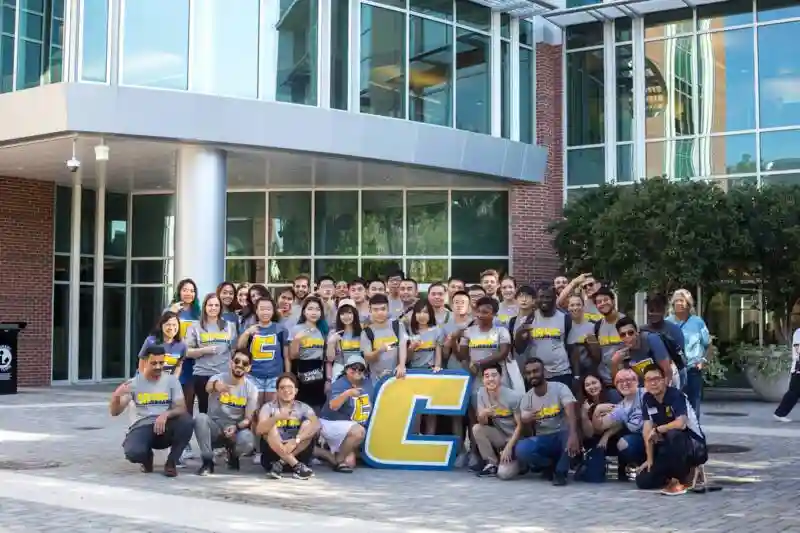
University of Tennessee Chattanooga
Typical cost per Year: $20,000—$25,000
Bachelor Degree
Masters
Certificate/Short Term
Other Courses


