
Study Biomedical Sciences in the USA

A LITTLE ABOUT YOU
Not sure where to start?
Answer eight questions about what you want to study, where, and how. We will show you U.S. schools worth exploring.
Find schools to explore
About two minutes · No account needed
Want to be matched with Biomedical Sciences programs?
Let us know what you're looking for so we can find the best school for you.

An MBA with entrepreneurship study can help you evaluate business ideas, plan financing and lead organizations. You can explore startups, social enterprise or innovation.
As an international student, you will usually apply after earning a bachelor’s degree. Some universities offer a named entrepreneurship emphasis; others teach related subjects within a general MBA. This guide helps you compare graduate curricula, practical projects, admission preparation, delivery format, and international-student requirements.
MBA Entrepreneurship at a Glance
Credentials: Master of Business Administration (MBA), sometimes with an entrepreneurship emphasis; related graduate certificates.
Duration: Depends on program, full-time or part-time enrollment, and prerequisites.
Study areas: Venture evaluation, financial planning, market research, innovation, strategy, operations and leadership.
Related subjects: Business administration, innovation management, social enterprise, finance and marketing.
Career directions: Venture founder, product manager, business development, innovation and nonprofit enterprise.
Key Decisions When Choosing an MBA Entrepreneurship Program
Do I need a named entrepreneurship concentration?
Choose a named emphasis if you want a defined sequence of specialized courses. A general MBA may still include useful entrepreneurship coursework, but its required depth can be different. Compare the degree plan and ask how many entrepreneurship credits are actually required.
Should I focus on startups or social enterprise?
Startup study often addresses market demand, product development and investment. Social entrepreneurship may put greater weight on social outcomes, nonprofit models and mission-driven operations. Compare project topics, electives and final assessments to see which approach fits your aims.
Will I work on a real venture idea?
Some MBA programs use projects, field experiences, simulations or business plans; others emphasize case analysis. Practical activity does not necessarily mean access to funding or a startup incubator. Ask for recent course descriptions and the actual capstone requirements.
Can I study on campus as an international student?
A university may offer an MBA online, hybrid or in person. An online program does not automatically support study in the United States under F-1 rules. Ask the international student office to confirm the exact eligible campus program and required attendance.
Do I need business experience or foundation courses?
Programs vary in whether they require prior work experience, quantitative preparation or foundation courses. Students from other undergraduate fields may still be considered, but may need extra coursework. Review the current graduate admission rules before calculating the time and total cost.
What Is MBA Entrepreneurship?
MBA Entrepreneurship combines graduate management education with creating and growing ventures. Core MBA subjects cover finance, marketing, accounting, strategy and operations. Entrepreneurship study may add business models, customer discovery, small-business development and innovation. It can also apply inside established organizations, where managers develop new products or business units. A social entrepreneurship emphasis may concentrate on ventures that address community or environmental needs. A named concentration, elective cluster and single entrepreneurship course can have different depth, so compare the required curriculum.
What Will You Study?
Topics include venture evaluation, customer research, business models, cash flow, product development, marketing, operations and leadership. Assignments may include cases, projections or a business pitch.
Is MBA Entrepreneurship Right for You?
Degree and Pathway Options
General MBA: Develops finance, marketing, strategy and management skills that may be applied to business creation.
MBA with entrepreneurship emphasis: Adds an identified group of venture-focused graduate courses to the MBA core.
Admission Considerations for International Students
Review degree equivalency, transcripts, English proficiency, recommendations, essays, tests, work-experience rules and financial documentation. Some programs require foundation courses. Confirm delivery format before applying.
Cost of Studying MBA Entrepreneurship
Compare tuition, fees, housing, meals, health insurance, books, software, transport and personal expenses. Include any foundation courses and full-time or part-time differences.
Accreditation and Professional Requirements
Check institutional recognition and the business school’s or program’s current specialized accreditation, where applicable. An MBA is an academic degree, not a license to operate a business. Business registration, immigration and professional requirements are separate matters.
Career Possibilities
Venture founder: Evaluate, launch and manage a new business.
Small-business manager: Oversee finances, customers and operations.
Product manager: Coordinate development and market direction.
Business development manager: Explore partnerships and revenue opportunities.
Innovation specialist: Assess new ideas within an established organization.
Strategy analyst: Research alternatives and support business decisions.
Social enterprise manager: Balance mission and organizational sustainability.
Venture operations manager: Build processes and support growth.
Explore MBA Entrepreneurship Programs on Study in the USA
Explore active Study in the USA schools offering MBA Entrepreneurship, a closely related program, or a verified pathway into the field.
Colleges and Universities
Southern Arkansas University
Master of Business Administration with Social Entrepreneurship Emphasis — MBA; Magnolia, Arkansas.
This emphasis pairs core management study with social entrepreneurship and a professional project or field experience. It may suit students interested in developing ventures with a social purpose.
St. Cloud State University
Master of Business Administration — MBA; St. Cloud, Minnesota.
The MBA offers campus and online formats, and its catalog includes Business Modeling and Commercialization. Students interested in developing business models can compare that course with available MBA concentrations.
University of Tennessee Chattanooga
Master of Business Administration — MBA; Chattanooga, Tennessee.
The MBA has included Global Social Entrepreneurship and Business Ethics. Confirm this course remains in the current degree plan.
Liberty University
Master of Business Administration, 36-hour — MBA; Lynchburg, Virginia.
The MBA covers strategy, marketing, finance and operations. It offers a broad management route for students evaluating business ownership, but this option is not identified as an entrepreneurship concentration.
University of South Dakota
Business Administration — MBA; Vermillion, South Dakota.
This MBA emphasizes analytical decisions, business strategy and ethical leadership. It is a broader business preparation option rather than a named entrepreneurship specialization.
Pace University
Business Administration — MBA; New York, New York.
The MBA provides broad management study. Request current entrepreneurship electives before treating it as a specialist program.
Program availability, delivery format, costs, and admission requirements may change. Confirm current information with each institution.
Additional U.S. Program Example
St. John’s University — MBA with Entrepreneurship concentration (graduate). Its published concentration includes entrepreneurship and innovation electives, illustrating a directly named venture-focused MBA.
These institutions are provided as additional examples of how the field is offered in the United States. They are not necessarily Study in the USA partner schools.
This is not a ranking or a complete list. Program names, degree levels, research strengths, costs, and admission requirements vary by institution.
How to Compare Programs
Which entrepreneurship courses are mandatory rather than optional?
Can I inspect a current degree plan and sample capstone?
How are venture finance and customer research assessed?
Are project partners or startup resources included in the program?
Does a prior degree require additional foundation coursework?
Is the exact program offered on campus for my immigration status?
What is the full cost, including living expenses and fees?
Which business accreditations apply to this graduate program?
What career, alumni and international-student resources are documented?
Frequently Asked Questions
Can international students complete an entrepreneurship internship?
Possibly. Eligibility depends on immigration status, the academic program and school authorization. Ask the international student office before accepting any placement.
Will an MBA provide startup funding?
Not automatically. Competitions, incubators and grants have separate conditions. Ask whether any specific resources are available to students in your program.
Can I study entrepreneurship without starting a company?
Yes. Venture analysis and innovation also apply to established businesses, product teams and social organizations.
Does an MBA automatically authorize self-employment in the USA?
No. Academic admission and immigration permission are separate. Ask your international student adviser about rules applicable to your circumstances.
Find a Program That Fits Your Goals
Compare schools by venture interests, degree structure, campus availability, budget and location. Request degree plans and current project requirements before choosing. These search tools can help you explore options; they do not guarantee admission.
Related Study in the USA Resources
Understand the MBA degree and how it differs from undergraduate study.
Study Applied Business (Entrepreneurship) in the USA
Explore venture planning and applied entrepreneurship topics.
GET MATCHED! LET STUDY IN THE USA FIND THE BEST SCHOOLS FOR YOU.
Step 1 of 3
Use of this form constitutes your agreement to our Terms of Use and Conditions.
3 More Items!
Step 2 of 3
Finish, send and done!
Step 3 of 3
Thank You!
Your information has been submitted successfully.
For more information, please review our Terms and Conditions.
Useful Articles

Yi Wei Lim from Malaysia: Studying Biomedical Sciences at Marquette University

Luísa Becker Bertotto from Brazil: Studying Biomedical Sciences at Rutgers, The State University of New Jersey

Hanin of Tripoli, Libya, is deciding between Biomedical Sciences and Pre-Medicine at Kalamazoo Valley Community College
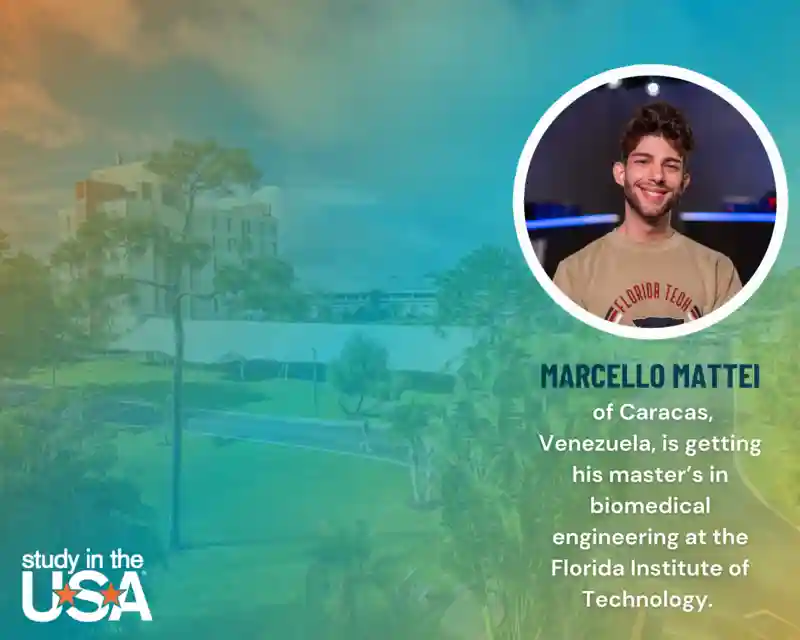
Studying Biomedical Engineering at the Florida Institute of Technology
Check Out These Schools

University of Central Missouri
$5,000—$10,000 Semester
English Programs
Bachelor Degree
Undergraduate


Columbia College
Typical cost per Session: $1,000—$5,000
Certificate/Short Term
English Programs
2yr/Community College - 2+2 Programs

University of Southern Mississippi
Typical cost per Year: $10,000—$15,000
Bachelor Degree
Masters
Online
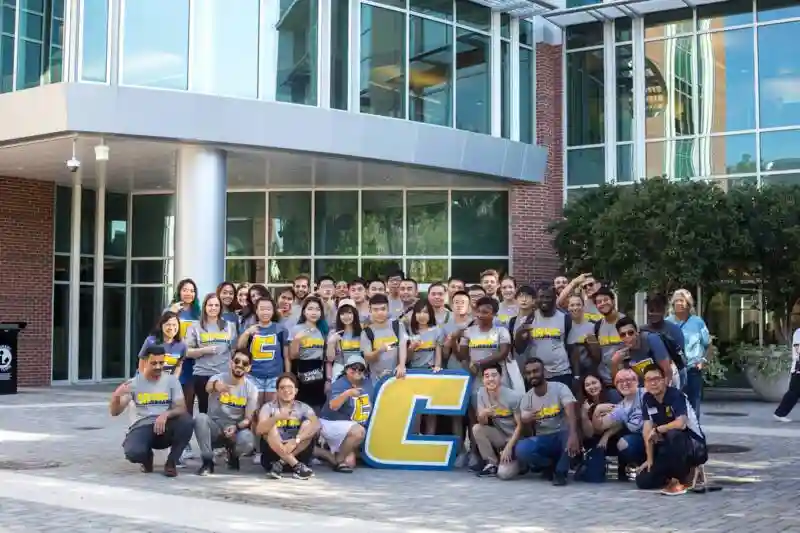
University of Tennessee Chattanooga
Typical cost per Year: $20,000—$25,000
Bachelor Degree
Masters
Certificate/Short Term
Other Courses


