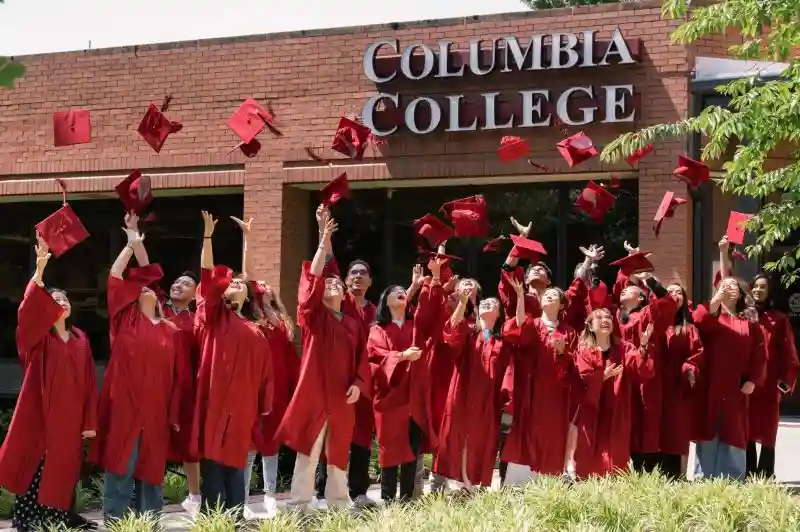
Studying English can strengthen your reading, writing, research, and communication while you explore how language and literature shape ideas and cultures. U.S. programs may emphasize literature, creative writing, rhetoric and composition, professional writing, linguistics, or English education.
As an international student, first decide whether you want an academic English degree or English-language preparation. You can enter a university directly, begin with a planned community-college transfer route, or pursue graduate study after a bachelor’s degree. This guide helps you compare credentials, specializations, transfer plans, and professional requirements.
English at a Glance
Credentials: Certificates; associate, bachelor’s, master’s, and doctoral degrees.
Typical duration: Associate programs often take about two years and bachelor’s programs about four; graduate timelines vary.
Common study areas: Literature, composition, rhetoric, creative writing, linguistics, professional writing, research, and cultural studies.
Related subjects: Creative writing, comparative literature, communication, linguistics, education, and English-language teaching.
Career directions: Writing, editing, publishing, communications, education, media, and research.
Key Decisions When Choosing an English Program
Do I want an English degree or an English-language program?
An English degree studies literature, writing, rhetoric, language, or related academic areas. An English-language or ESL program develops proficiency in English. Some colleges offer both. Compare the credential and course list so you do not confuse language preparation with an academic English major.
Should I focus on literature, creative writing, or professional writing?
Literature emphasizes close reading and research. Creative writing adds workshops and original work. Professional writing may emphasize rhetoric, technical writing, or workplace communication. Compare required courses, electives, and any portfolio, project, or senior seminar before choosing.
Should I start at a community college and transfer?
A transfer-oriented associate degree can provide lower-division English study before a bachelor’s degree, but transfer is not automatic to every university or major. Ask the receiving institution which courses apply and compare its major prerequisites before planning your schedule.
Do I need an English-education pathway if I want to teach?
For U.S. public middle or high schools, an English major alone may not complete teacher-licensure requirements. Look for a teacher-preparation or secondary-education route and check the rules in the state where you hope to teach. Private-school requirements can differ.
What Is English as a Field of Study?
English is an academic field centered on reading, writing, language, and the interpretation and creation of texts. Depending on the program, you may study literature from different periods and cultures, creative writing, rhetoric and composition, linguistics, professional communication, or teaching methods. English differs from an intensive English or ESL program, which primarily builds language proficiency. It overlaps with communication, journalism, comparative literature, and education, but those programs may use different methods and professional preparation. Because English degrees vary widely, compare required courses rather than assuming every program with “English” in the title has the same balance of literature and writing.
What Will You Study?
Common areas include literary analysis, research writing, rhetoric, creative writing, linguistics, professional writing, and global literature. Work may include essays, workshops, peer review, presentations, editing projects, portfolios, and senior seminars.
Is English Right for You?
English may fit you if you enjoy close reading, argument, revision, language study, or creative work. Compare programs by the balance of analysis, creativity, and practical communication you want.
Degree and Pathway Options
Certificates: Focused programs may cover creative writing, professional writing, or English-language teaching; they are not professional licenses.
Associate degrees: AA, AA-T, or direct-transfer routes combine English study with general education. Confirm how courses apply to your intended bachelor’s program.
Bachelor’s degrees: BA programs may be broad or offer concentrations in literature, creative writing, writing studies, education, or linguistics.
Master’s degrees: MA programs provide advanced specialization through coursework, a thesis, or a creative project.
Doctorates: Doctoral programs center on advanced scholarship and original research.
Admission Considerations for International Students
Requirements vary. Check academic records, English proficiency, prerequisites, and financial documentation. Graduate or creative-writing programs may also request recommendations, statements, résumés, prior coursework, or writing samples.
Cost of Studying English
Compare tuition, fees, housing, meals, health insurance, books, technology, transportation, and personal expenses. For transfer, verify how many credits apply to the major.
Accreditation and Professional Requirements
Check institutional accreditation and the curriculum. English has no single national professional license. U.S. public-school teaching requires separate state certification or licensure.
Career Possibilities
Your preparation may support these directions; some roles require additional education, subject knowledge, a portfolio, or experience.
Editing and publishing: Develop, review, and prepare written content.
Writing and content: Create articles, web copy, scripts, or organizational material.
Technical writing: Explain specialized information clearly; subject knowledge may be important.
Communications and public relations: Develop messages, reports, campaigns, and organizational content.
Journalism and media: Research, interview, write, edit, or produce stories.
Secondary English education: Teach language arts or literature; public-school roles require state licensure.
Academic research and college teaching: Advanced study is usually required.
Explore English Programs on Study in the USA
Explore active Study in the USA schools offering English, a closely related program, or a verified pathway into the field.
Community Colleges and Transfer Pathways
Santa Barbara City College
English, Associate in Arts for Transfer (AA-T); Santa Barbara, California.
The English AA-T combines composition, literature, research, and critical thinking. It may suit a California community-college start before bachelor’s English study.
View this school
Santa Rosa Junior College
English (AA-T); Santa Rosa, California.
This AA-T emphasizes literary analysis, argumentative writing, research, and diverse literature. It is a California State University transfer pathway, not a guarantee to a particular campus or major.
View this school
Highline College
Literature — Associate in Arts Direct Transfer (AA-DTA); Des Moines, Washington.
Highline offers Literature and Creative Writing AA-DTA options. Because it does not offer a standalone English major, map the transfer degree to your intended bachelor’s program.
View this school
Colleges and Universities
Bridgewater State University
English — Bachelor of Arts; Bridgewater, Massachusetts.
Bridgewater’s English BA offers creative writing, English education, literature, and writing studies concentrations, letting you compare several directions within one degree.
View this school
St. Cloud State University
English Studies — Bachelor of Arts; St. Cloud, Minnesota.
The English Studies BA spans literature, creative writing, professional writing, and linguistics. Its degree map also requires a minor or one year of one foreign language.
View this school
Lawrence University
English: Literature — Bachelor of Arts; Appleton, Wisconsin.
Lawrence offers separate English majors in Literature and Creative Writing. The Literature BA emphasizes critical reading and writing across diverse texts.
View this school
Program availability, delivery format, costs, and admission requirements may change. Confirm current information with each institution.
How to Compare Programs
• Which exact degree, concentration, or transfer pathway appears in the current catalog?
• How is the curriculum divided among literature, creative writing, rhetoric, linguistics, and professional writing?
• Which workshops, publications, editing projects, or internships are available?
• Is there a capstone, thesis, senior seminar, or portfolio?
• Which transfer courses satisfy the receiving English major?
• Does a teaching route meet your intended state’s educator-preparation requirements?
• Which international admission and English-proficiency rules apply?
• What is the total cost through graduation?
• What career or graduate-school resources serve English students?
Frequently Asked Questions
Can international students complete internships in writing, publishing, or communications?
Eligibility depends on immigration status, academic program, and school authorization. Ask the international student office before accepting an internship, practical placement, or off-campus work.
Can I study English if English is not my first language?
Yes, if you meet admission and English-proficiency requirements. Check whether language support is part of the degree, a prerequisite, or a separate program.
Do I need a portfolio to apply?
Not always. Creative-writing or graduate programs may add writing requirements, while other English majors may use standard university admission. Check the exact application instructions.
Can I combine English with another subject?
Often, but options vary. A second major or minor can connect English with communication, education, history, business, or digital media. Compare total credit requirements.
Find a Program That Fits Your Goals
Compare English programs by your interests, degree level, transfer plan, budget, and location. Use Search U.S. Schools and Get Matched With Schools to explore options. Then request the current curriculum, admission requirements, and total cost from the programs you want to compare.
Related Study in the USA Resources
Understanding the American Education System: Review U.S. degree levels and how colleges and universities are organized.
Community Colleges in the USA: Learn how two-year colleges and transfer routes can fit into a bachelor’s plan.