


Study Applied Intelligence in the USA

Want to be matched with Applied Intelligence programs?
Let us know what you're looking for so we can find the best school for you.

 Applied Intelligence is the field of study focused on using data, technology, analytical methods, and strategic decision-making to solve complex real-world problems. The discipline combines elements of artificial intelligence, data analytics, business intelligence, cybersecurity, information systems, and organizational strategy to help organizations make informed decisions and improve operational performance.
In academic and professional contexts, Applied Intelligence examines how information is collected, analyzed, interpreted, and transformed into actionable insights. Students learn how emerging technologies, data-driven approaches, and intelligence frameworks can be applied across business, government, healthcare, defense, finance, and technology sectors.
What does the study of Applied Intelligence consist of?
The study of Applied Intelligence combines technology, analytics, strategic thinking, and decision sciences. Students develop the skills needed to gather information, identify patterns, evaluate risks, and support organizational decision-making.
Key components of the field typically include:
- Data Analytics – Studies methods for collecting, analyzing, and interpreting data to generate actionable insights.
- Artificial Intelligence Fundamentals – Examines machine learning, intelligent systems, and AI-driven decision support tools.
- Business Intelligence – Focuses on using data and reporting systems to support organizational strategy.
- Information Management – Explores methods for organizing, securing, and utilizing information resources.
- Predictive Analytics – Uses historical and real-time data to forecast trends and outcomes.
- Cyber Intelligence – Examines threat analysis, cybersecurity monitoring, and intelligence gathering.
- Strategic Decision-Making – Studies analytical frameworks used to evaluate complex situations and opportunities.
- Risk Assessment and Management – Focuses on identifying, evaluating, and mitigating operational and strategic risks.
- Research and Intelligence Collection – Develops methods for gathering and evaluating information from multiple sources.
- Data Visualization and Communication – Teaches how to present findings through reports, dashboards, and visual tools.
- Ethics and Governance – Examines responsible use of data, privacy concerns, and regulatory compliance.
- Emerging Technologies – Explores innovations such as automation, cloud computing, AI, and advanced analytics.
Together, these areas help students understand how intelligence-driven systems support decision-making and organizational success. The field emphasizes analytical thinking, problem-solving, technology literacy, and strategic planning.
What are the benefits of studying Applied Intelligence in the U.S.?
- Access to cutting-edge technologies and analytical tools.
- Exposure to real-world business and intelligence challenges.
- Development of highly transferable analytical skills.
- Opportunities to work with large datasets and emerging technologies.
- Strong demand for intelligence and analytics professionals.
- Exposure to interdisciplinary learning across technology and business.
- Internship and experiential learning opportunities.
- Preparation for careers in rapidly growing industries.
- Access to industry partnerships and professional networks.
- International recognition of many U.S. technology and intelligence programs.
What colleges and universities in the U.S. have strong Applied Intelligence programs?
- Georgetown University
- Mercyhurst University
- University of Arizona
- Pennsylvania State University
- Northeastern University
- George Mason University
- Arizona State University
- University of Maryland Global Campus
- Embry-Riddle Aeronautical University
- Drexel University
This list is intended as a selection of examples and is not exhaustive.
What U.S. community colleges have strong Applied Intelligence-related programs?
- Northern Virginia Community College
- Bellevue College
- Miami Dade College
- Austin Community College
- Wake Technical Community College
- Houston Community College
This list is intended as a selection of examples and is not exhaustive.
What kind of career opportunities will I have after studying Applied Intelligence in the U.S.?
Applied Intelligence graduates can pursue careers across government, technology, cybersecurity, finance, healthcare, consulting, and corporate sectors.
- Intelligence Analyst
- Business Intelligence Analyst
- Data Analyst
- Cyber Intelligence Analyst
- Risk Analyst
- Strategic Intelligence Specialist
- Information Analyst
- Threat Intelligence Analyst
- Operations Analyst
- Competitive Intelligence Analyst
- Data Visualization Specialist
- Decision Support Analyst
- Security Intelligence Specialist
- Intelligence Consultant
- Analytics Manager
Career outcomes vary depending on degree level, technical skills, certifications, industry experience, and specialization.
What skills or interests align well with Applied Intelligence?
- Analytical thinking
- Problem-solving abilities
- Interest in technology and innovation
- Data interpretation skills
- Strategic decision-making
- Research and investigation interests
- Attention to detail
- Critical thinking
- Communication skills
- Curiosity about emerging technologies
GET MATCHED! LET STUDY IN THE USA FIND THE BEST SCHOOLS FOR YOU.
Step 1 of 3
Use of this form constitutes your agreement to our Terms of Use and Conditions.
3 More Items!
Step 2 of 3
Finish, send and done!
Step 3 of 3
Thank You!
Your information has been submitted successfully.
For more information, please review our Terms and Conditions.
Useful Articles
Check Out These Schools


University of Utah – International Program
Typical cost per Semester: $50,000—$60,000
Bachelor Degree
Undergraduate

Green River College
Typical cost per Quarter: $1,000—$5,000
Bachelor Degree
Certificate/Short Term
Summer
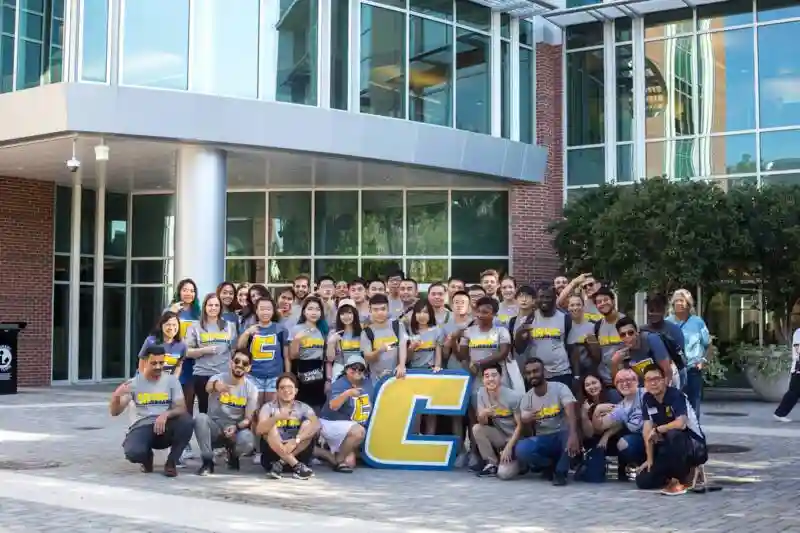
University of Tennessee Chattanooga
Typical cost per Year: $20,000—$25,000
Bachelor Degree
Masters
Certificate/Short Term
Other Courses


